How to Prep Your Yard in 30 Minutes Before Afternoon Storms
Afternoon storms can sneak up fast during Florida’s peak weather season. Even when the NOAA seasonal outlooks suggest a quiet season, complacency can leave your yard—and your home—vulnerable. A quick, focused 30-minute quick pickup routine before the storm hits can make all the difference in reducing damage and preventing debris from becoming dangerous projectiles.
Why You Can’t Rely Only on NOAA Seasonal Outlooks
NOAA’s seasonal forecasts are valuable tools for planning hurricane season months ahead. However, they are not perfect crystal balls. They give broad trends—like below-average or above-average storm counts—but they don’t predict specific storm timing or localized afternoon heavy thunderstorms common in summer. Overconfidence from a “quiet season” label can lull homeowners into a false sense of security, delaying critical prep steps that need to happen within hours trim trees before hurricane of storm onset.
Waiting for a hurricane watch, for example, often triggers community safety protocols like curbside debris collection suspension. But by then, it might already be too late for quick yard prep. That’s why a 30-minute quick pickup routine can help you get ahead of risk even if a named storm isn’t declared yet.
The Peak Season Storm Window: Timing Your Yard Prep
Florida’s summer and early fall afternoons frequently bring intense thunderstorms—often between 2 p.m. and 6 p.m.—due to high heat and humidity. These storms can whip up gusty winds exceeding 40 mph, enough to turn ordinary backyard items into flying projectiles.
To prep your yard efficiently, target your work to finish before 2 p.m. This gives you a buffer to secure loose items and clear drains before the wind and rain intensify.
Set a Daily Prep Alarm: Beat the Complacency
- Schedule a daily or at least weekly reminder during peak months (June, July, August).
- Use your “storm prep checklist” to run through your yard quickly.
- Act immediately when a forecast shows increased storm potential, even if NOAA's outlook shows a quiet season.
A 30-Minute Quick Pickup Routine for Maximum Safety
You don’t need hours or a big crew to cut risk. A focused 30-minute routine targeting the most common hazards will do the trick.
Step 1: Secure Loose Items (10 minutes)
First, identify anything that can become a projectile when winds pick up:
- Patio furniture and cushions
- Garbage cans and recycling bins
- Children’s toys, sport equipment, bicycles
- Garden tools and ladders
- Potted plants and lightweight décor
Tip: Use your 30 minutes to bring items inside or tie them down securely to an anchored object like a heavy outdoor table or fence.
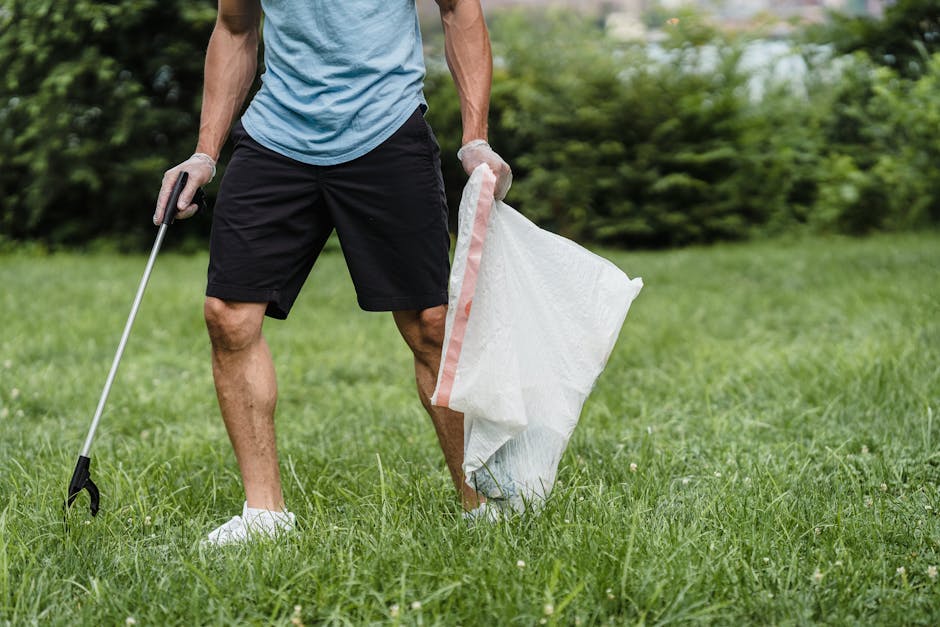
Step 2: Yard Debris Pickup (10 minutes)
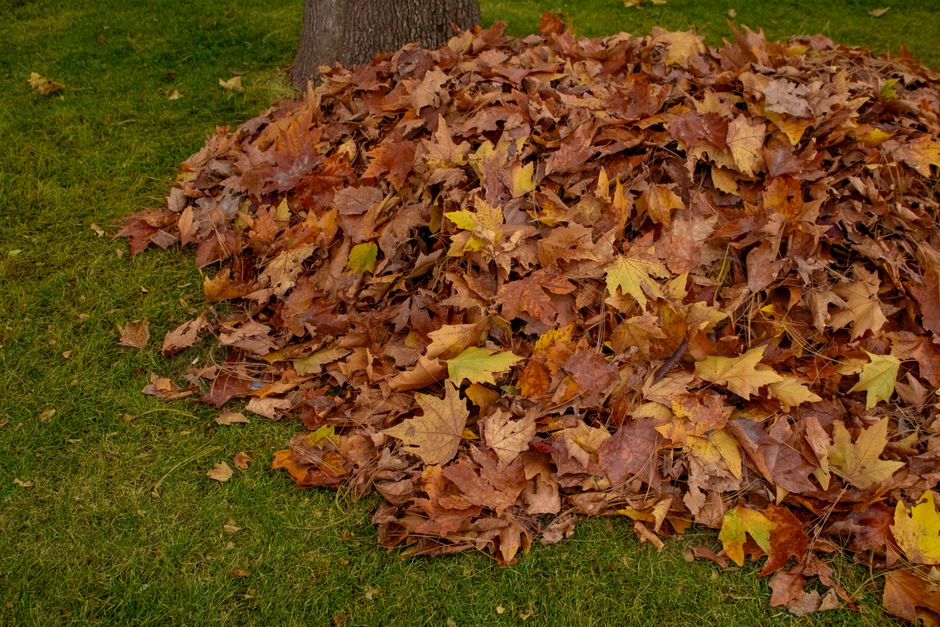
Debris—dead branches, leaves, pine needles—poses huge risks during storms. Not only can they clog drains, but when airborne, they cause damage and injuries. Plus, after hurricane watches get announced, many municipalities suspend curbside debris collection, making quick pre-storm cleanups essential.
- Pick up noticeable sticks and branches lying on the ground.
- Gather leaves and grass clippings that blow easily in wind.
- Check around storm drains and gutters for buildup; clear it if safe.
Why timing matters: Clearing storm drains before heavy rain reduces localized flooding risk.
Step 3: Drain Check and Water Flow (10 minutes)
Standing water after storms is a breeding ground for mosquitoes and a sign of blocked drainage.
- Walk around your property, especially near downspouts and low areas.
- Clear leaves and debris from gutters and drains.
- Ensure water flows away from your foundation to prevent seepage.
Pro tip: Have a secondary bucket or garden hose handy to flush out clogged drains quickly.
Make Your Yard Storm-Ready Year-Round by Asking:
What Can Become a Projectile?
Every time you check your yard, look around and mentally inventory objects that wind can catch:
- Decorations like wind chimes, lanterns, or garden statues
- Tools left on the ground
- Loose boards or tiles that haven’t been properly fixed
When in doubt, bring it inside or anchor it securely.
Quick Pre-Storm Yard Prep Checklist
Task Time Estimate Why It Matters Secure patio furniture & cushions 5 min Prevents items from flying and causing damage or injury Bring inside or lock down tools, toys, bikes 5 min Reduces airborne debris in high winds Pick up loose sticks, branches, and leaves 7 min Reduces projectile risk and prevents gutter clogging Check & clear gutters and storm drains 8 min Prevents flooding and water damage Move or secure any loose yard décor 5 min Ensures nothing blows away or breaks windowsFinal Thoughts: Stay Ahead, Not Behind
A 30-minute yard prep doesn’t just reduce damage during storms—it prevents days of cleanup, costly repairs, and frustration. Remember, the NOAA seasonal outlooks give big-picture trends, but your best defense is a consistent quick pickup routine that adapts to daily conditions. Always prepare before you hear a hurricane watch or see community warnings like curbside debris collection suspensions. You will sleep better knowing your yard isn’t an accidental weapon in a storm.
If you’re unsure where to start, build a prep checklist by month. June, July, and August are peak times to condition your yard for afternoon storms. Time it right, secure or remove anything that can fly, and check your drains. Your future self—and your neighbors—will thank you.