What’s the Smartest Hurricane Prep to Do in Early August?
Early August often feels like the calm before the storm. After the usually quiet June and July, folks sometimes slip into a false sense of security. But the truth is, August kicks off the peak of hurricane season — and smart prep now can save headaches and heartaches later.
Understanding the Quiet Season Complacency
It’s easy to see why some homeowners and communities become complacent by early August. June and July typically show fewer named storms. The National Oceanic and Atmospheric Administration (NOAA) seasonal outlooks clearly highlight a slow start in most years, leading people to let their guard down.
However, hurricanes don’t follow a calendar. The “quiet season” lull doesn’t guarantee a quiet peak. Waiting for the first tropical storm to be named before taking action is risky. Complacency in early August can mean reduced lead time for critical prep.
Why Relying on The NOAA Seasonal Outlook Has Limits
NOAA’s seasonal outlooks are valuable tools but not crystal balls. These forecasts give a probability of overall activity for the season (e.g., “above average,” “near normal,” or “below average”) and do not pinpoint when or where individual storms will strike.
- Uncertainty: Out of this uncertainty comes the chance for late-season bursts or sudden quick-developing storms.
- False Security: A “below normal” outlook can lull residents and municipalities into cutting corners on debris removal and other risk reduction steps.
- Variability: Storm tracks and intensities can shift rapidly after initial forecasts.
In essence, use NOAA outlooks as a planning guide but do not treat them as guarantees. Plan as if a major storm could be approaching any time.
Peak Season Timing: Why Early August Matters
Peak hurricane season officially starts June 1 but tends to ramp up around August 1, with a crescendo through September and October. Early August marks a critical time to shift from watching-and-waiting to active preparation.
Key reasons to focus prep efforts now include:
- Historical Patterns: Many major hurricanes have formed in mid-to-late August, including names like Katrina and Harvey.
- Resource Availability: Debris crews, tree trimmers, and drain cleaners are generally more available before an official hurricane watch or warning is issued. Waiting too long can overwhelm municipal and private services.
- Trigger Points: Many cities suspend curbside debris collection as soon as a hurricane watch is issued or debris haulers reach capacity. Completing yard cleanup early avoids last-minute backups.
Key Prep Actions for Early August
Focusing on the following practical steps now aligns with both best timing and real-world constraints.
1. Debris Removal: Reduce Projectiles and Blockages
Loose yard debris is one of the most underestimated hurricane hazards. When wind speeds pick up, sticks, branches, and other debris become dangerous projectiles that can damage property, vehicles, and people.
Additionally, debris sitting near drains and stormwater systems can block water flow, leading to flooding. Clearing this debris helps protect your home and neighborhood.
- What to Remove: Dead limbs, loose branches, fallen leaves, and any trash scattered around your yard.
- Disposal Tip: Utilize curbside collection now before municipal services suspend pickup after a watch is issued.
- Common Mistake: Waiting to trim just before a storm often overloads services and leads to illegal dumping.
2. Tree Trimming: Mitigate Limb Breakage and Falling Trees
Trees with dead or weak branches pose a direct threat during strong winds. Trimming these limbs now greatly reduces the chance they’ll snap and cause roof, fence, or power line damage.

Key points to consider:
- Focus on Hazardous Trees: Prioritize large trees close to your home or garage, especially those with visible dead wood or cracks.
- Professional Help: Hire certified arborists to handle taller trees or heavy trimming safely.
- Timing: Early August appointments are more likely than last-minute requests after the first named storm.
3. Drain Clearing: Avoid Flooding Nightmares
Storm drains clogged with leaves or litter dramatically increase flooding risk during heavy rains accompanying hurricanes. Ensuring your property's drainage paths and nearby storm drains are clear now pays dividends when rain and wind hit.
Actionable steps:
- Clear gutters and downspouts around your home.
- Remove debris from driveways, low-lying areas, and channels leading to public storm drains.
- Coordinate with local municipal agencies to alert them about blocked drainage points that require professional clearing.
Understanding Hurricane Watch Triggers and Curbside Collection Suspension
Municipalities frequently suspend curbside debris collection immediately after a hurricane watch is announced. This suspension prioritizes emergency response and hurricane preparation logistics.
What this means for you:
- Don’t Wait: Schedule your debris pickup and tree trimming early August, before watches or warnings are issued.
- Maximize Service Access: Early prep secures better availability from both municipal and private hauling services.
- Prevent Risk: Leaving yard waste out too close to a watch can lead to piles left in streets and yards, creating projectiles in strong wind.
Monthly Checklist for Early August Hurricane Prep
Prep Task Why It Matters Recommended Timing Remove all yard debris Minimizes projectiles, flood blockages Early August Trim dead/weakened tree limbs Reduces falling limb damage Early August Clear gutters and storm drains Prevents water backup & flooding Early August Schedule professional tree service Safe, thorough hazard removal Book in early August, complete ASAP Verify emergency supply kits Be ready before hurricane watch Early AugustFinal Thoughts: Early August Is Your Prep Window
Don’t let the early summer quiet lull sneak up on you. By early August, the smartest move is stepping into active preparation mode — focusing on debris removal, tree trimming, and drain clearing.
Leverage NOAA seasonal outlooks as valuable but imperfect forecast guides. Remember, once a hurricane watch is up, curbside services often pause, limiting your options.
Think through your yard with one question in mind: “What can become a projectile?” Trim, collect, haul away. Clear drains. Get your home and community ready before the season hits full swing.
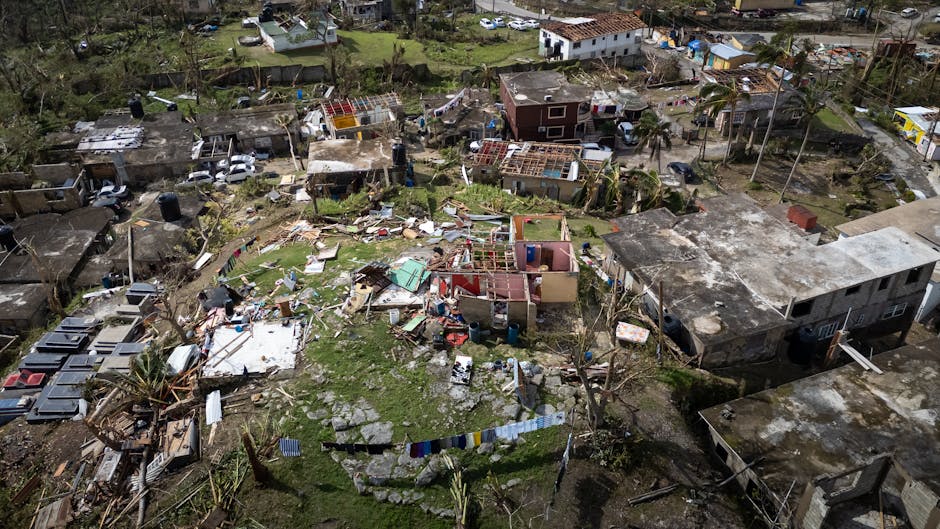
Early August prep isn’t about panic; it’s about being practical, timely, and proactive. That’s how how to install sandbags you stay ahead of the storm safely and smartly.